canton top Synthetic Turf Installation Experts
canton top Synthetic Turf Installation Experts
Blog Article
Artificial Grass Installation: The Sustainable Alternative for Your Lawn
Installing synthetic turf presents a sensible alternative for homeowners pursuing a environmentally responsible yard choice. Its durability and minimal upkeep requirements provide substantial benefits over traditional grass. As water conservation becomes increasingly essential, synthetic grass delivers an effective solution to ecological issues. However, the choice to install artificial grass involves various considerations that merit careful examination. What elements should property owners consider before taking the shift to this eco-friendly choice?
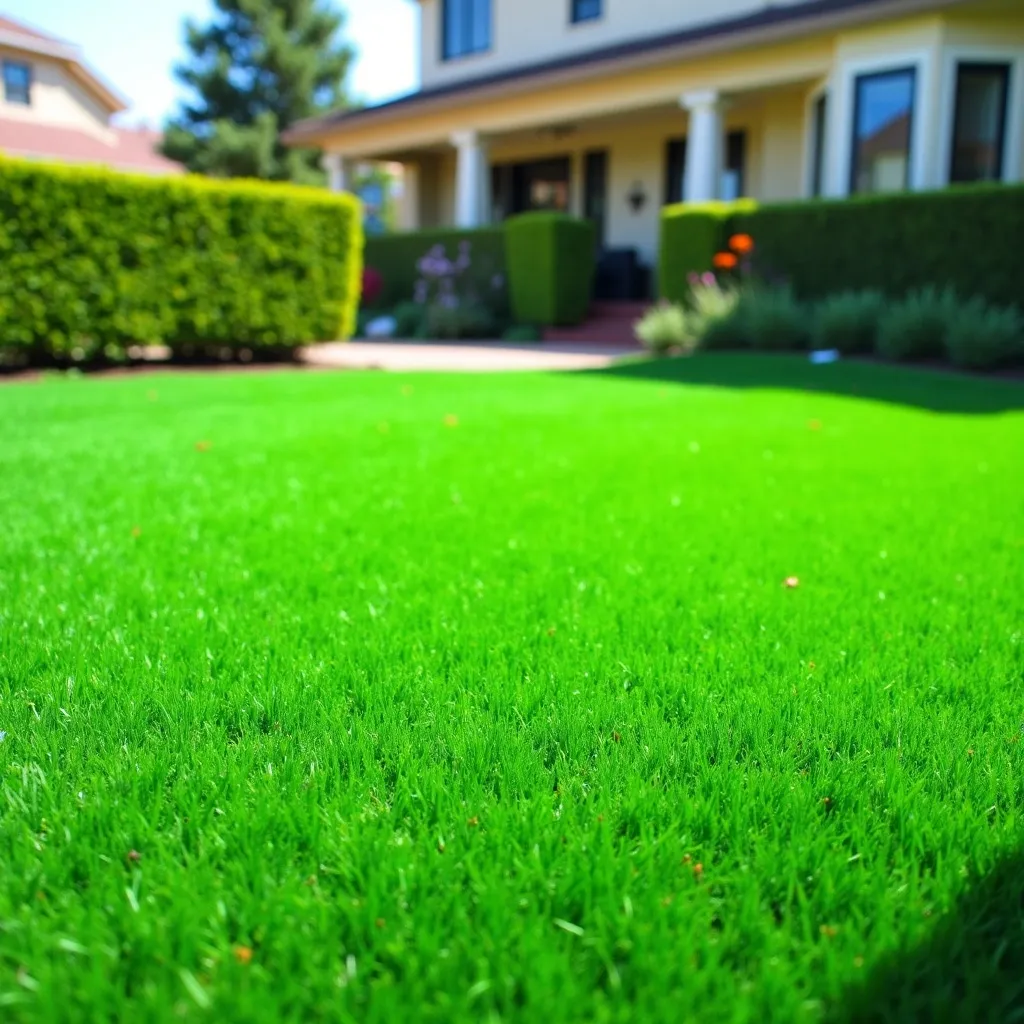
Grasping Synthetic Turf: Primary Attributes and Gains
Synthetic turf has grown into a favored alternative to natural grass, presenting numerous advantages for assorted applications. One of its key features is durability; synthetic grass can withstand heavy foot traffic and extreme weather conditions without deteriorating. This resilience makes it an outstanding choice for sports fields, playgrounds, and residential lawns.
Moreover, synthetic turf demands scant maintenance as opposed to natural grass. There is zero need for mowing, watering, or fertilizing, providing significant time and cost benefits for homeowners and facility managers alike.
Additionally, fake grass is environmentally friendly, as it conserves water and avoids the need for harmful pesticides and fertilizers.
With improvements in technology, modern synthetic turf mimics the appearance and feel of natural grass, providing aesthetic appeal without the drawbacks. These features collectively make synthetic turf a viable and attractive option for a wide range of uses.
Installing Synthetic Turf: A Comprehensive Guide
When assessing the perks of synthetic turf, the next natural step is understanding the installation process.
The opening stage involves site setup, which includes removing the area of present grass, weeds, and debris. Next, a foundation of aggregate or stone is positioned to ensure proper water management and durability. Following this, a protective fabric is installed to inhibit unwanted growth.
Once the base has been prepared, the synthetic turf rolls are unrolled and positioned, enabling proper alignment. The edges are fixed with stakes or adhesive, verifying a seamless appearance.
After placement, a coating of infill material, such as rubber or sand, is applied evenly to offer weight and support. Finally, the turf is swept to elevate the strands and produce a authentic appearance.
Following these procedures produces a sturdy, easy-care lawn that enhances both visual appeal and functionality.
Why Pick Synthetic Turf? Environmental and Practical Rewards?
Opting for synthetic turf offers many practical and environmental benefits that render it an attractive option for many homeowners and businesses. One significant advantage is conserving water; artificial turf removes the requirement for routine irrigation, which is especially beneficial in arid regions.
Moreover, it lowers the reliance on toxic pesticides and fertilizers, fostering a healthier ecosystem.
From a realistic standpoint, synthetic turf requires minimal maintenance, saving hours and dollars on turf maintenance. It remains green and lush throughout the year, providing a consistent visual allure without cyclical changes.
Furthermore, synthetic turf is durable, equipped to handle heavy foot traffic and various weather conditions, making it excellent for both residential and commercial applications.
These attributes not only boost the utility of outdoor spaces but also support long-term sustainability, rendering synthetic turf a convincing selection for green-minded purchasers.
Essential Points for Synthetic Turf Implementation
Multiple factors must be considered before starting synthetic turf installation. First, it is essential to assess the planned purpose of the area. Various kinds of synthetic turf are created for specific uses, such as sports or residential grounds maintenance.
Second, the local climate should be examined; some materials may manage heat better than others.
Site preparation is another critical consideration, demanding proper drainage and a level surface to assure longevity and performance. Furthermore, potential regional requirements or community association standards may impact installation decisions.
Finding the best infill option is fundamental for stability and satisfaction, as it impacts both the visual appeal and feel of the turf.
Ultimately, selecting a reliable installer can greatly impact the quality and longevity of the work. By addressing these considerations, homeowners can make educated selections that most suitably fit their preferences and upgrade their outdoor areas.
Caring for Your Synthetic Turf Lawn
Maintaining a synthetic turf lawn requires a regular maintenance routine to ensure its durability and visual appeal.
Regular maintenance includes addressing any damage and utilizing fix methods as needed.
Maintain a consistent cleaning schedule
A consistent cleaning schedule is crucial for preserving the appearance and longevity of synthetic turf lawns. Regular maintenance helps prevent debris buildup, minimizes odors, and improves aesthetic appeal.
Property owners should work to clear leaves, twigs, and other natural waste at least once a week, especially during fall. Additionally, rinsing the turf with water once a month can help remove dust and allergens, ensuring a fresh look.
Active zones may require consistent maintenance to keep the turf's integrity. When frigid weather arrive, snow and ice must be delicately taken away to shield from harm to the grass components.
Spotting and Repair Tips
Identifying and managing issues promptly is necessary for maintaining the durability of synthetic turf lawns. Continuous inspections should be executed to catch traces of damage, such as punctures, fraying, or unequal surfaces.
Upon noticing a problem, immediate action is imperative. Minor tears can be mended with specialized adhesive or turf tape, maintaining a secure bond without affecting appearance. For larger issues, professionals may be needed to replace sections of turf.
Additionally, maintaining the base material intact is essential; any shifting can lead to further complications. Regular brushing helps maintain an uniform look and can also reveal hidden issues.
Budget Evaluation: Synthetic Turf vs. Natural Grass
When reviewing the financial outlay of synthetic turf to organic grass, initial installation expenses are significant.
Furthermore, extended maintenance expenses can substantially affect the complete financial burden of each option.
A full study of these elements offers valuable findings for potential buyers.
Initial Installation Costs
Upfront costs are essential in the choice process for property owners and government bodies assessing synthetic turf versus natural grass.
In general, the initial expenses for synthetic turf can vary from $5 to $20 per square foot, depending on quality and installation complexity. In contrast, natural grass installation usually costs between $1 to $2 per square foot.
However, the full expenditure in natural grass can rise substantially valuable resource due to soil conditioning, irrigation systems, and continuous maintenance demands.
Homeowners and municipalities must examine these initial costs against the potential long-term benefits of synthetic turf, such as minimized water needs and lower maintenance requirements.
In the end, grasping these costs supports making well-informed, environmentally responsible landscaping decisions.
Extended Service Expenses
Continuous upkeep costs substantially drive the overall cost-effectiveness of synthetic turf compared to natural grass.
Natural grass calls for perpetual costs, encompassing scheduled mowing, application of fertilizers, consistent moisture, and pest and disease prevention, which can accumulate quickly over time. Homeowners may expend hundreds to thousands of dollars per annum to upkeep a vibrant lawn.
By contrast, artificial grass requires minimal maintenance, primarily occasional rinsing and brushing to remove debris. While the starting investment for artificial grass may be higher, the reduced future costs render it an attractive alternative.
Moreover, artificial grass reduces water bills tied to irrigation, further boosting its cost-effectiveness over time.
Ultimately, the monetary benefits of artificial grass upkeep can result in substantial savings for homeowners in the long run.
Refuting Frequent Myths About Synthetic Turf
Although many people entertain false ideas about synthetic turf, understanding the information can result in informed selections. One frequent myth is that synthetic turf is harmful to the surroundings; however, many goods are made from reclaimed resources and are fashioned to be long-lasting, curtailing waste.
A common assumption is that synthetic turf necessitates substantial heat management, but modern installations often include effective cooling technologies that alleviate temperature issues.
In addition, some critics state that synthetic turf promotes artificial compounds; yet, improvements in formulation have considerably reduced the necessity for harmful infill substances.
Finally, the idea that synthetic grass cannot support biodiversity is deceptive; many installations can coexist with native plants, providing habitats for local wildlife.
Regularly Asked Questions
What Is the Life Expectancy of Synthetic Turf Before Demanding Replacement?
Artificial grass usually lasts between 15 to 25 years before requiring replacement. Elements affecting longevity include quality, care routines, and weather conditions, which can significantly impact its resilience and functional quality over time.
Pets and Synthetic Turf: Is It Protected for Them?
Pets may safely use synthetic turf, as it is designed to be sturdy and non-poisonous. Regular maintenance guarantees cleanliness, making it a useful option for pet owners seeking a low-maintenance, enjoyable outdoor space for their animals.
Does Synthetic Turf Retain Heat in Sunny Weather?
Certainly, artificial grass does soak up heat in sunny weather, considerably raising surface temperatures. This can produce discomfort for both people and animals. Frequent watering or opting for lighter-colored grass can help diminish this heat retention.
What Are the Options for Synthetic Turf Colors and Designs?
Synthetic turf options cover various colors, including intense greens, deep browns, and specialty shades. The styles range from faithful mimicry of natural grass to stylized patterns, accommodating a broad array of visual tastes and utility needs.
In What Ways Does Synthetic Turf Influence Native Wildlife?
Synthetic turf can disrupt local wildlife by changing ecosystems and reducing natural food sources. Its lack of flexibility may deter certain animals from nesting or foraging, potentially leading to reduced biodiversity in the affected areas.
Report this page